
Control, Applied As A Discipline
Evidence, Not Assurances
For a food manufacturer or importer, a supplier's quality system is the product. A flavour can be matched and a price can be negotiated, but consistency, safety, and traceability are what keep a formulation stable and an audit clean. At Healthy Foods Egypt, quality is treated as a daily discipline rather than a marketing claim, and every statement on this page is backed by a documented control or a tested result.
The system rests on internationally recognised standards, including ISO 22000 for food safety management, BRC Grade A, and HACCP, all listed in full on our certifications hub. Those standards define the critical control points that sit inside the way each ingredient is made, described on the production hub. The three pillars below show how that framework is applied in practice.
One Programme, 3 Vantage Points
Hygiene & Quality Control
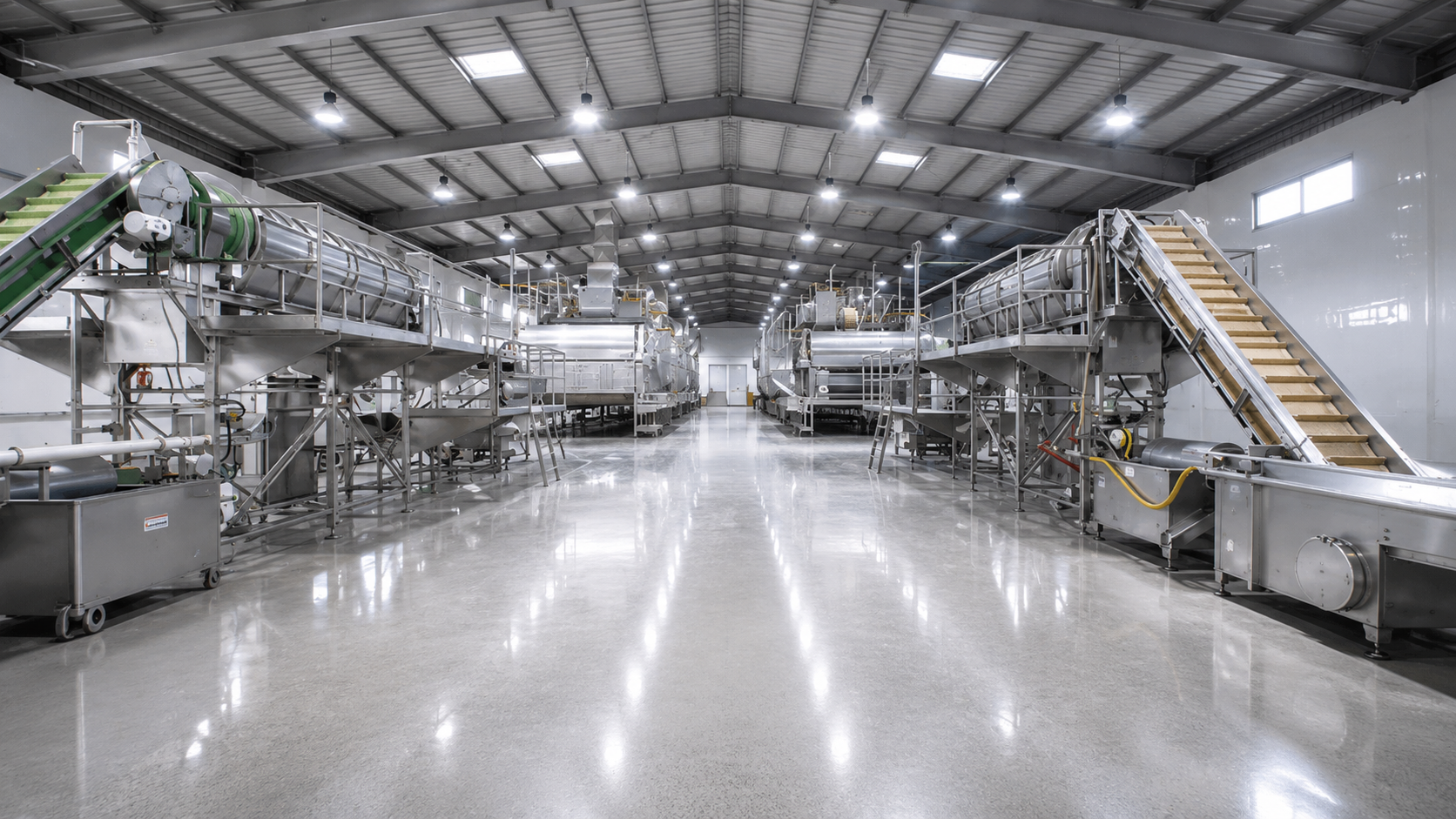
Documented hygiene programme covering the facility envelope, worker PPE, sanitation, and a periodic pest-control regime.
Read more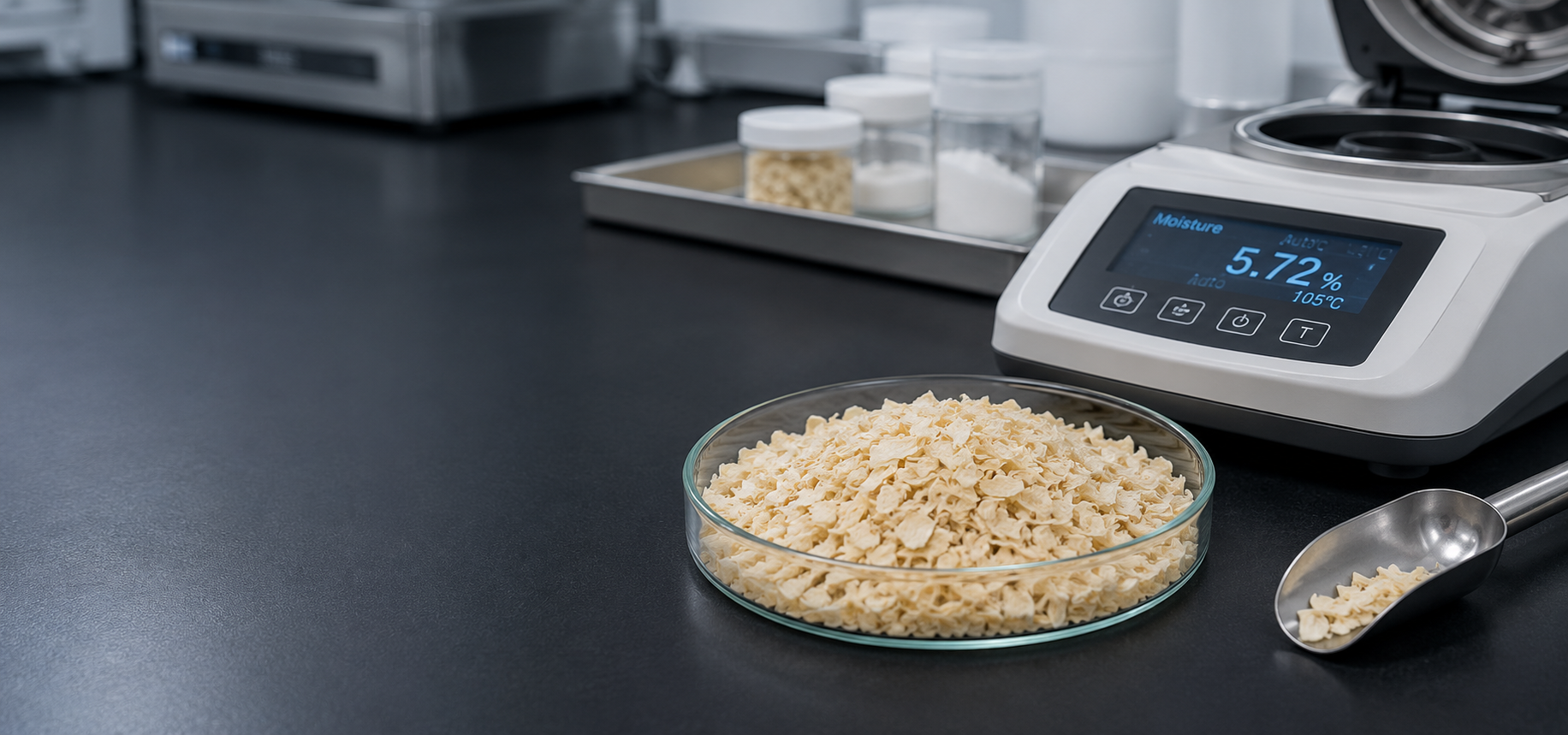
Laboratory
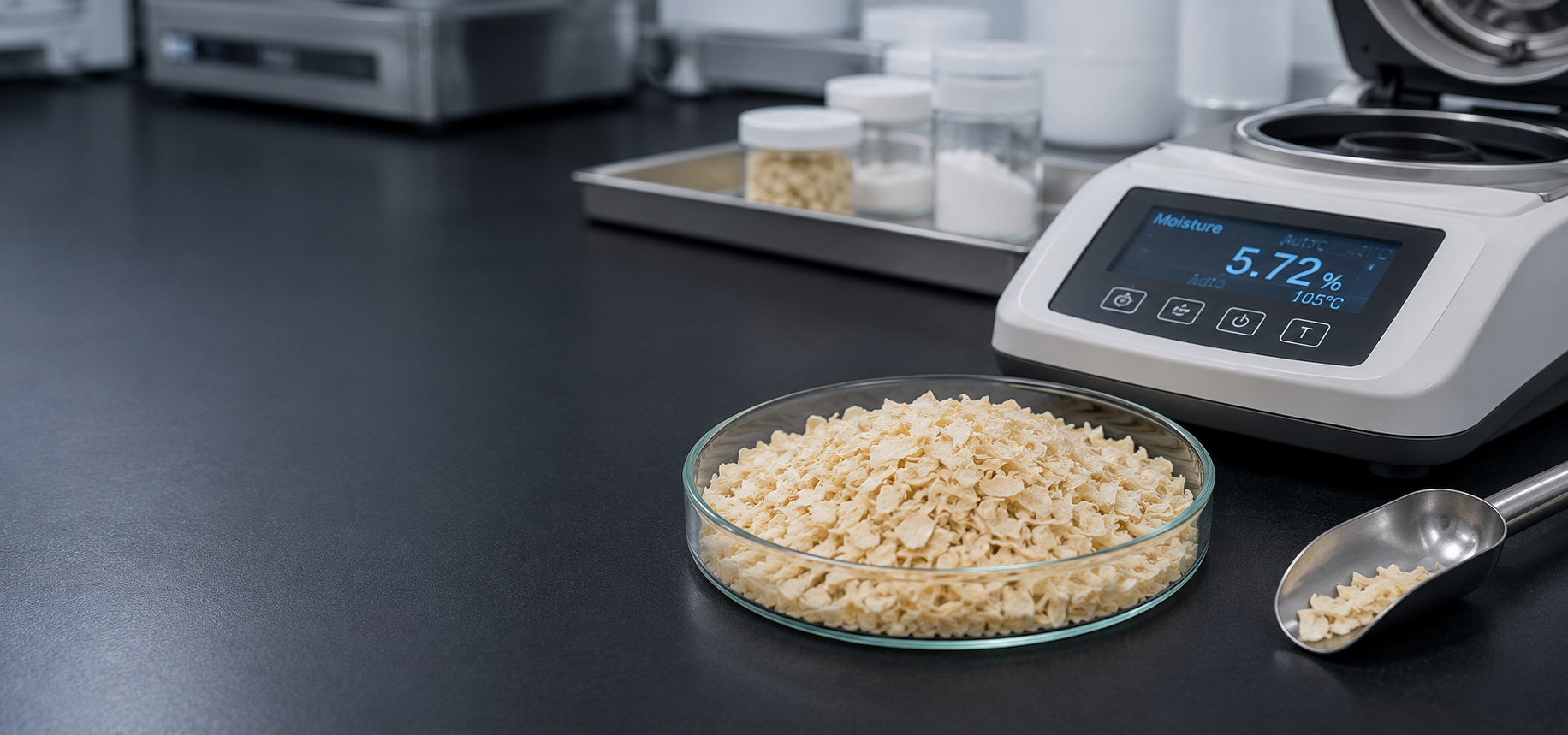
An in-house laboratory cross-validated by external accredited analysis, covering moisture, water activity, microbiology, pesticide residues, and heavy metals.
Read more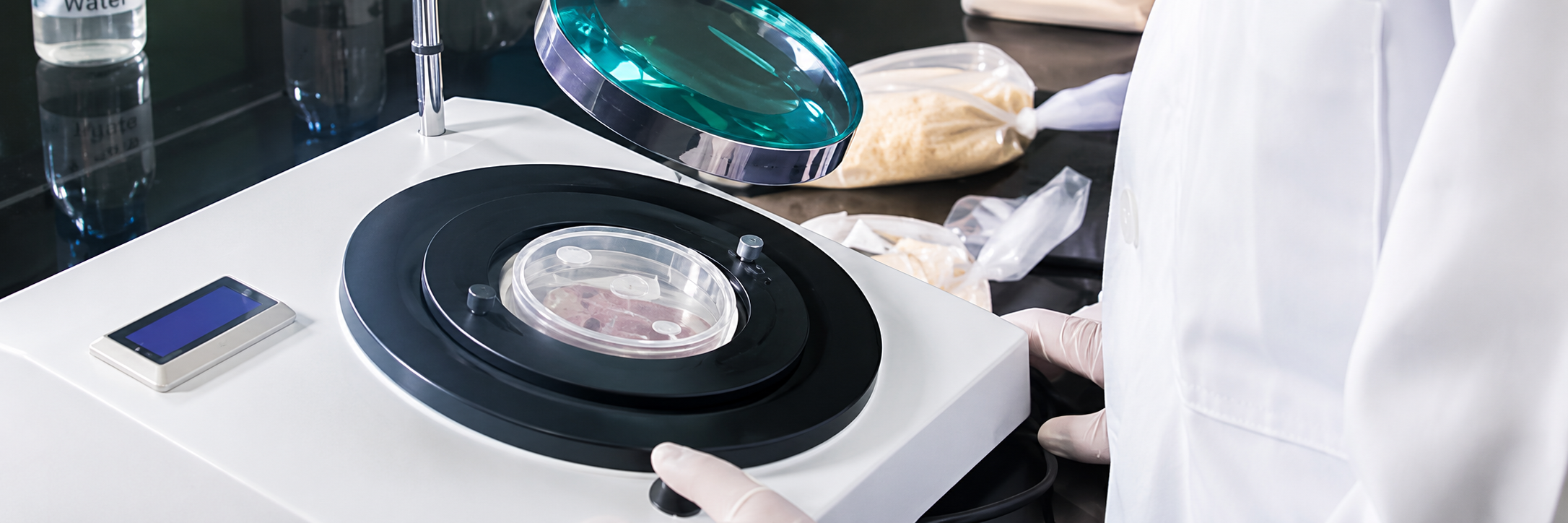
Quality Assurance & Warehouse
End-to-end traceability, supplier qualification, and a humidity-controlled warehouse environment governed by the company's quality assurance programme.
Read moreLot Integrity, Preserved Through To Dispatch
The 11,000 square metre warehouse runs as part of the quality programme, humidity-controlled at 65% or below, with air recycling, a light-controlled environment, and finished goods stacked on plastic pallets above the floor. A bar-coding system runs end-to-end across the warehouse, streamlining order processing and providing daily inventory traceability down to lot level.
Pest control is conducted periodically and documented. Physical barriers such as door closers and insect screens on all windows and doors are inspected as part of the standard hygiene programme.
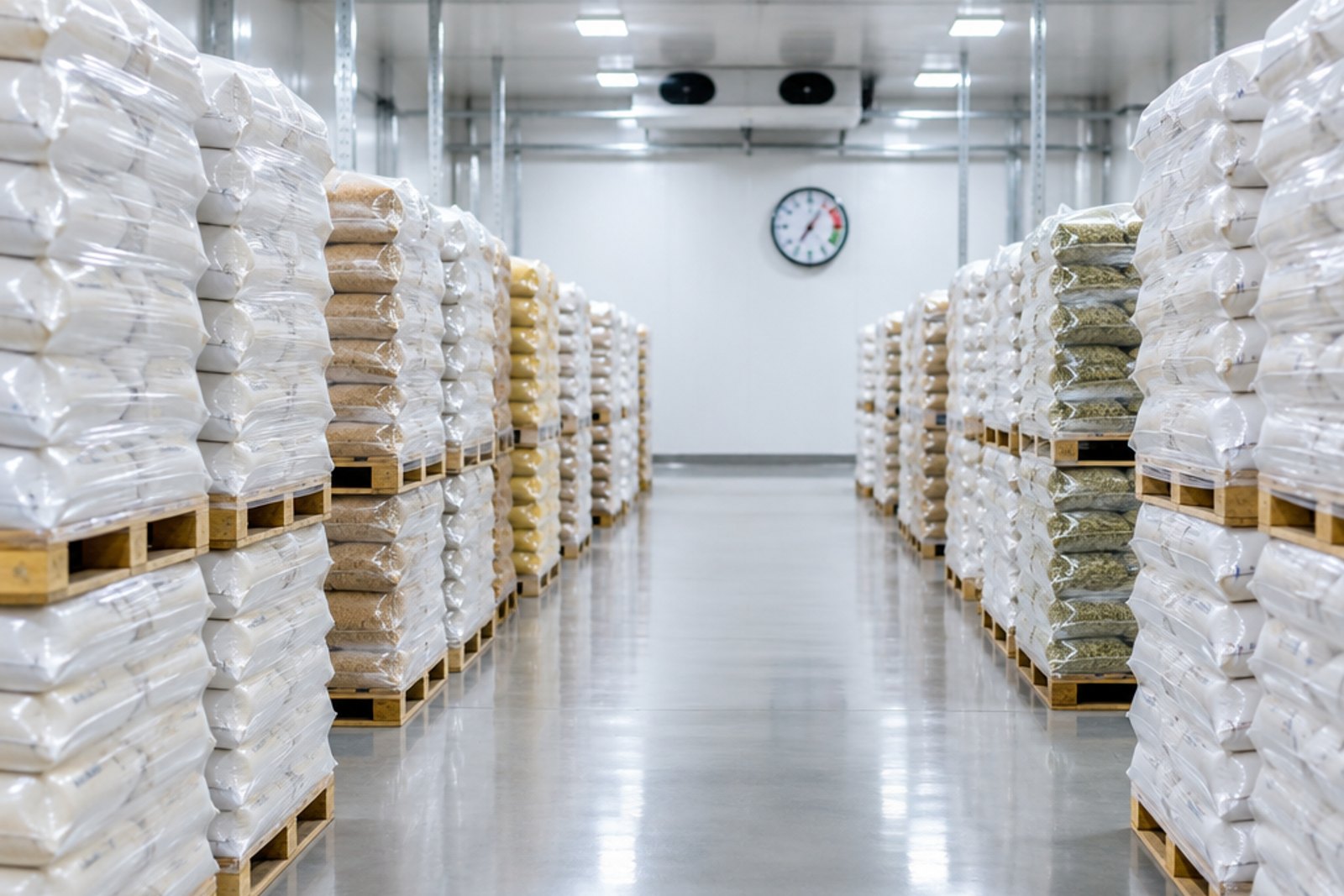
| Warehouse footprint | 11,000m² |
|---|---|
| Humidity ceiling | ≤ 65% |
| Air handling | Recycled |
| Light exposure | Controlled |
| Pallet standard | Plastic, above floor |
| Traceability | Bar-coded, lot-level |
Clean Inputs, Controlled Environment, Trained Hands
Control begins before production. Incoming raw materials are accepted only after a satisfactory quality report, so nothing reaches a line that has not been checked first. From there, a structured hygiene programme keeps the environment and the people working in it to a consistent standard.
Pest control is conducted periodically and documented. Physical barriers, including door closers on all doors and insect screens on all windows, are inspected as part of the routine. Staff work in appropriate protective clothing, including gloves, caps, aprons, and masks, and pure drinking water and sanitation facilities are arranged outside the production plant to keep the processing area clean.
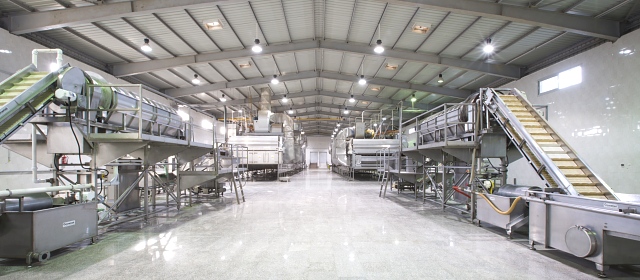
Food-contact surfaces across the lines are stainless steel, and from dehydration through to sealed packaging the product is conveyed without the touch of human hands. The result is an environment designed to protect the microbiological profile of every lot.
Need The Certificates Pack?
Every active certification is published in the Certifications hub with scope, issuing body, validity window, and verified copies on request.