
Responsible Processing, Long-Term Thinking
Sustainability at Healthy Foods Egypt is operational: it lives in process discipline, supplier relationships, and the way we plan capacity against seasonal cycles. The commitments below describe how we work today; the KPIs and targets follow as our ESG reporting cadence matures.
Sustainability We Can Document, Not Advertise
For an Egyptian manufacturer founded in 2003 and now employing more than 350 people, sustainability is less about campaigns than about how the business is actually run. It shows up in disciplined use of raw materials, in the proximity of our sourcing to the plant, in a food-safety culture that protects both product and people, and in supply relationships measured in years rather than single orders. We would rather describe what we do today than publish targets we have not yet measured.
That restraint is deliberate. Buyers with their own environmental and social commitments need suppliers whose claims survive scrutiny, which is why the practices below are tied to the same quality and certification framework that governs every shipment. The detail behind them lives on the quality hub and the certifications page, including the ISO 14001 environmental management standard.
Grown Near The Plant, Processed Without Delay
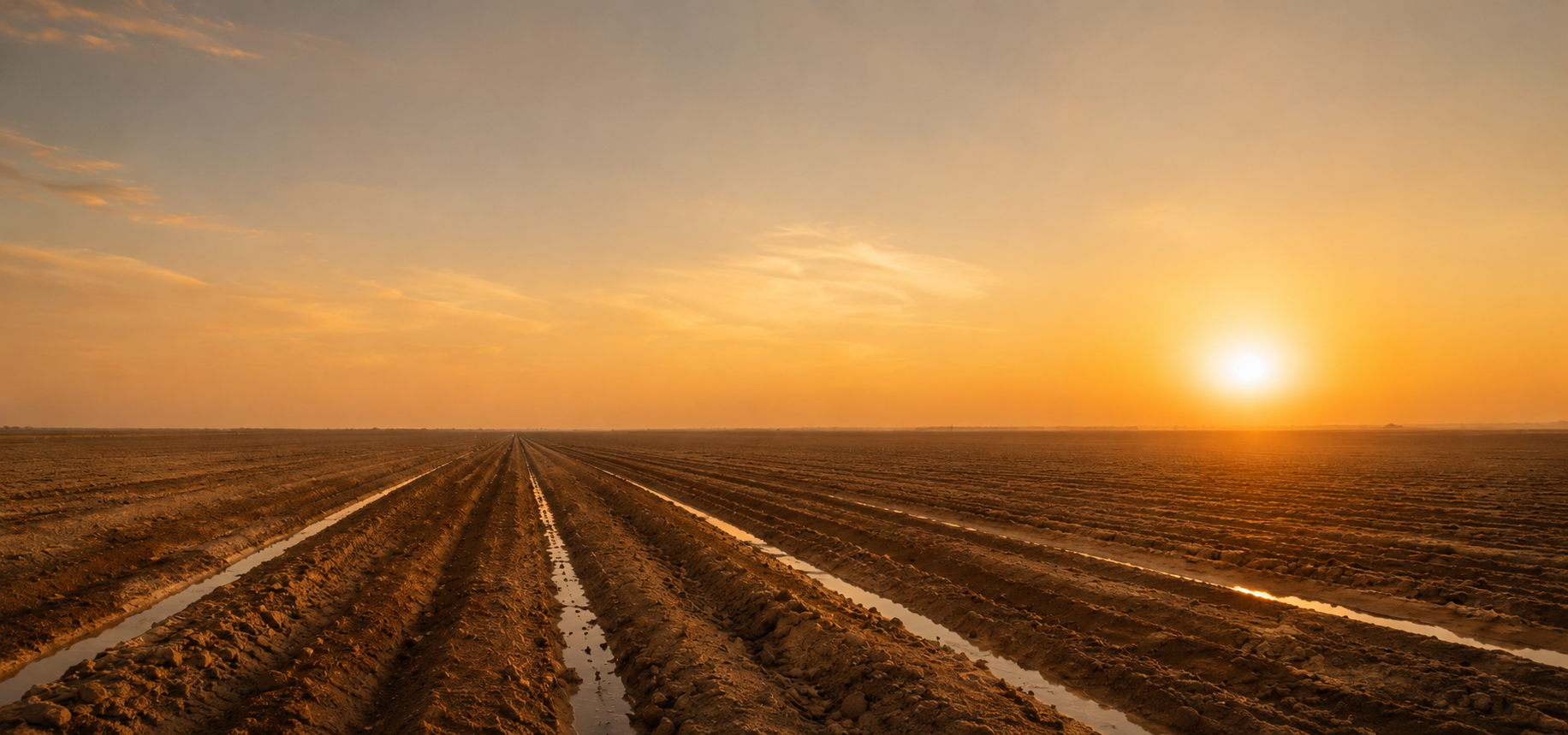
Our raw materials are grown in the cultivation areas of Egypt, close to the plant. Short transit between field and intake preserves freshness, reduces the energy spent moving fresh produce, and keeps the agricultural relationship traceable from grower to finished lot.
Annual supply programmes, rather than spot orders, let us plan production and make season-by-season commitments to the growers we work with. That stability is good for quality and good for the rural economy our supply chain depends on, and it is the foundation of the long-term customer relationships described in the pillars below.

5 Pillars Governing How We Grow
Carried from the company-profile sustainability framework, written as commitments, not slogans.
01
Operational Efficiency
Continuous development of operational systems to improve production efficiency, reduce waste, and use raw materials with discipline. Process improvements are reviewed against documented procedures rather than ad-hoc preferences.
02
Responsible Sourcing
Raw materials are sourced from cultivation areas close to the plant in Egypt, compressing transit time, preserving freshness at intake, and keeping the agricultural relationship traceable from field to finished product.
03
Food Safety As Culture
Food-safety discipline is treated as cultural, not procedural. Worker PPE, in-house lab verification, periodic pest control, and physical barriers (door closers, insect screens) are part of daily practice, not annual review.
04
Sustainable Industrial Growth
Capacity expansion is paced to keep quality programmes, certifications, and people development in step. Every new line is commissioned with documented processes, lab validation, and trained operators in place from day one.
05
Customer Relationships Built Around Sustainability
Long-term supply relationships are the foundation of the business. Annual supply programmes, not spot orders, anchor planning, production scheduling, and the agricultural commitments we make to growers each season.
What We Do Now, Narrated Factually
Stewardship practices that are already part of how the plant runs, not future aspirations.
- Water
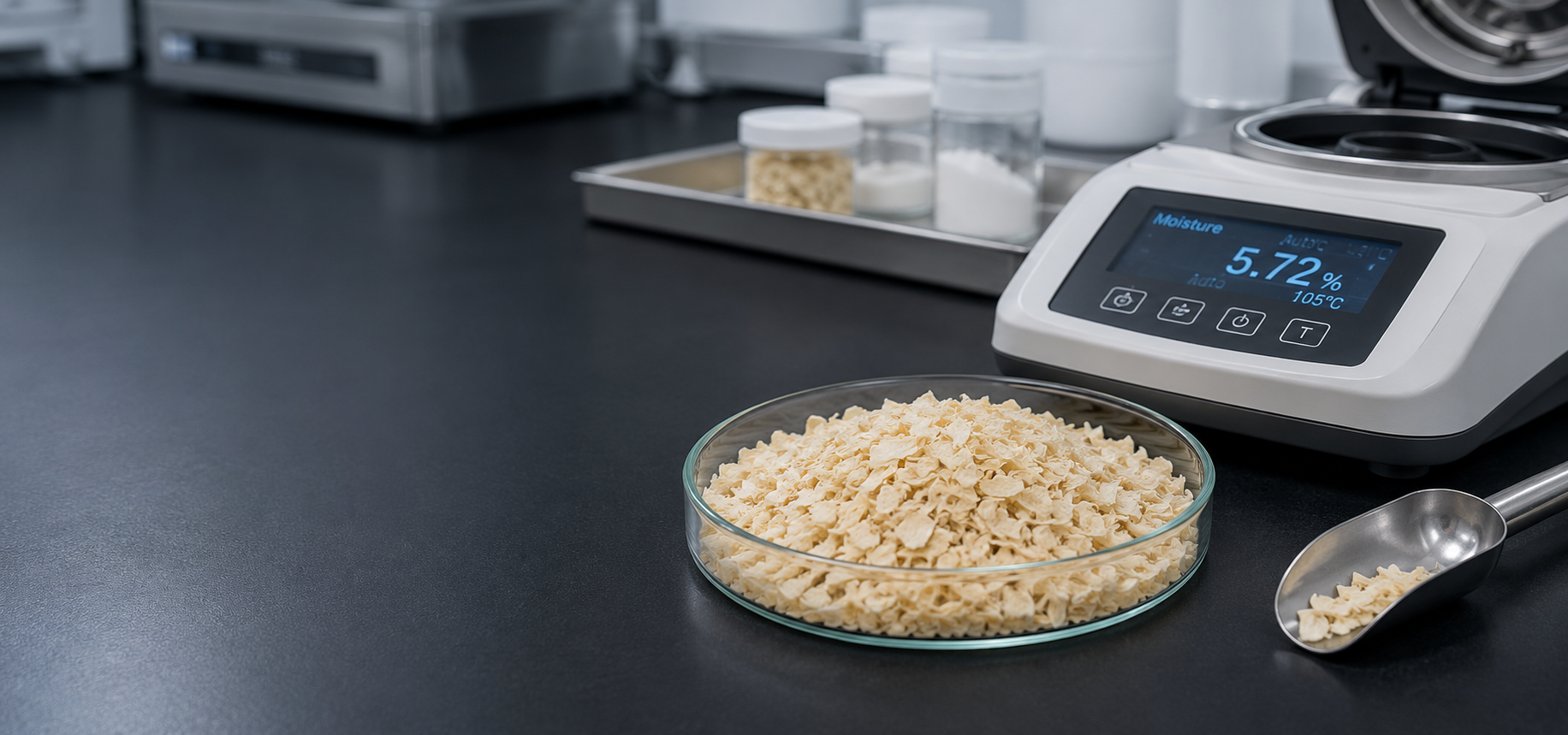
- Process water is used in controlled volumes at the washing stage; pure tap water is used without additives, with sanitation facilities arranged outside the production envelope.
- Pest control
- Pest control is conducted periodically with documented sign-off. Physical barriers (door closers on all doors, insect screens on all windows) are inspected as part of the standard hygiene programme.
- Worker welfare
- PPE, including gloves, caps, aprons, and masks, is issued and replaced on documented intervals. Drinking water and sanitation facilities are arranged outside the production zone for hygienic separation.
- Storage stewardship
- The 11,000 m² warehouse runs with humidity held at or below 65%, air recycling, and a light-controlled environment that limits photodegradation. Finished goods are stacked on plastic pallets above the floor.
Quantified KPIs (water consumption per ton of finished product, energy mix, scope-1/2/3 reporting) are part of the ESG reporting cadence currently in scoping. We don't publish numbers we haven't yet audited.
Discipline Behind The Commitments
Sustainability is anchored in our quality programme and certification breadth: read the supporting documentation.